SPIDERCON 2025

SPIDERCON 2025 – Spiders & More: Exploring the Arachnid Diversity of the Western Ghats
Peppara Wildlife Sanctuary, situated within the Agasthyamalai landscape of the southern Western Ghats, is emerging as one of Kerala’s most important strongholds for spider diversity. Its complex forest structure, high rainfall, and heterogeneous microhabitats support a rich and functionally diverse arachnid community. Recent surveys and validated records document 24 spider families and 146 species, with historical accounts suggesting even higher cumulative diversity. The sanctuary hosts orb-web weavers (Araneidae, Tetragnathidae), jumping spiders (Salticidae), foliage-dwelling crab spiders (Thomisidae), and ground hunters like wolf spiders (Lycosidae), spanning all forest strata. Many genera are characteristic of the Western Ghats, indicating strong biogeographic affinities and the presence of regionally endemic or poorly known species.
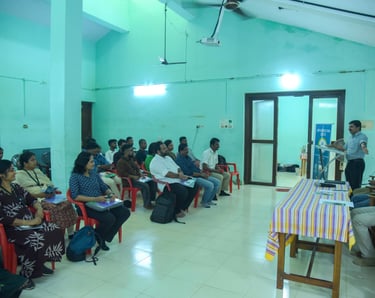
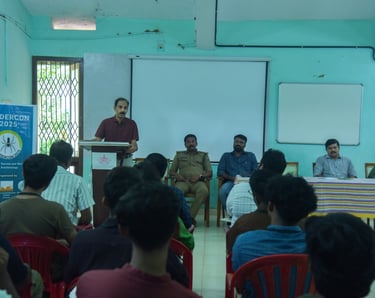
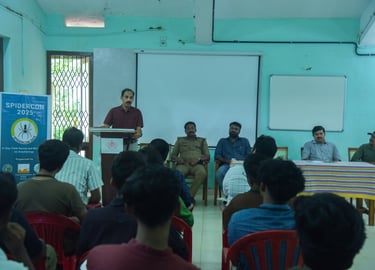
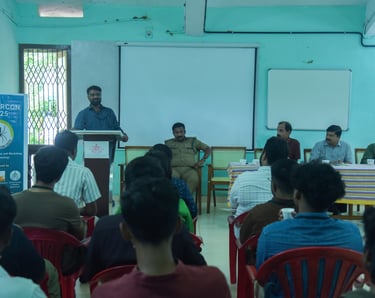
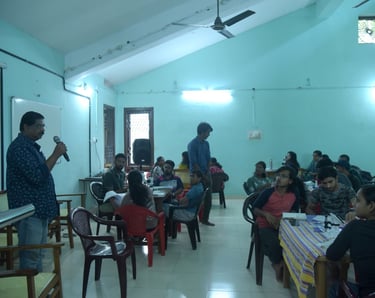
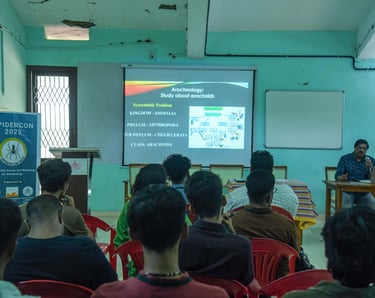
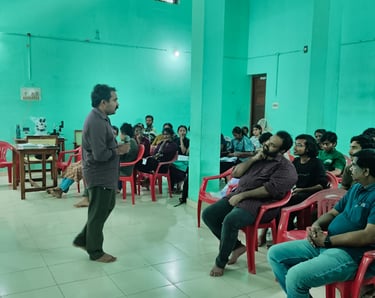
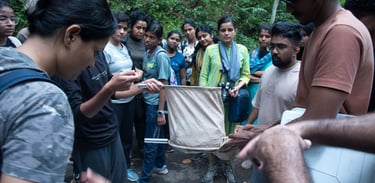
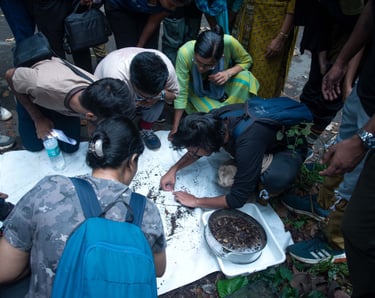
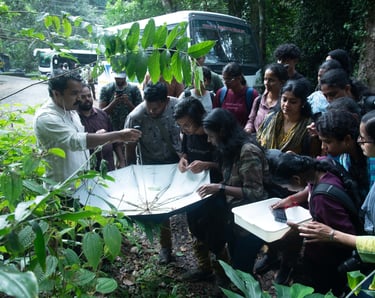
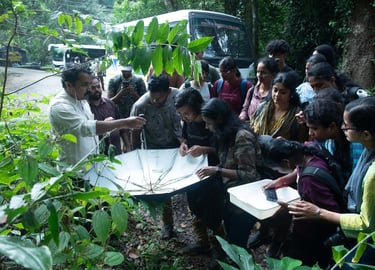
Against this backdrop, SPIDERCON 2025 was held from 4–7 December 2025, jointly organised by the Institute of Tropical Research Ecology and Conservation (INTREC) and the Travancore Natural History Society (TNHS). This four-day intensive workshop brought together students, researchers, teachers, naturalists, photographers, and conservation practitioners for hands-on field and laboratory training. Participants explored spiders and other arachnids—including scorpions, pseudoscorpions, whip scorpions, camel spiders, opilionids, and harvestmen—across the forest floor, leaf litter, foliage, and specialised microhabitats during both daytime and nocturnal surveys. Field activities included surveys across four camps within Peppara, while expert teams conducted targeted surveys at Bonaccord, Athirumala, and the broader Agasthyamalai region, ensuring wide spatial coverage of the southern Western Ghats.
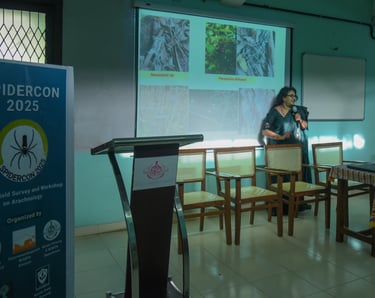
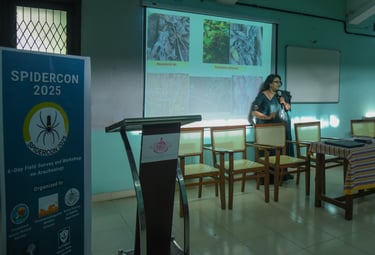
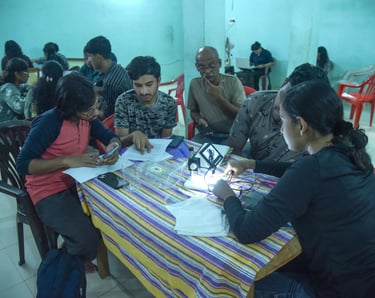
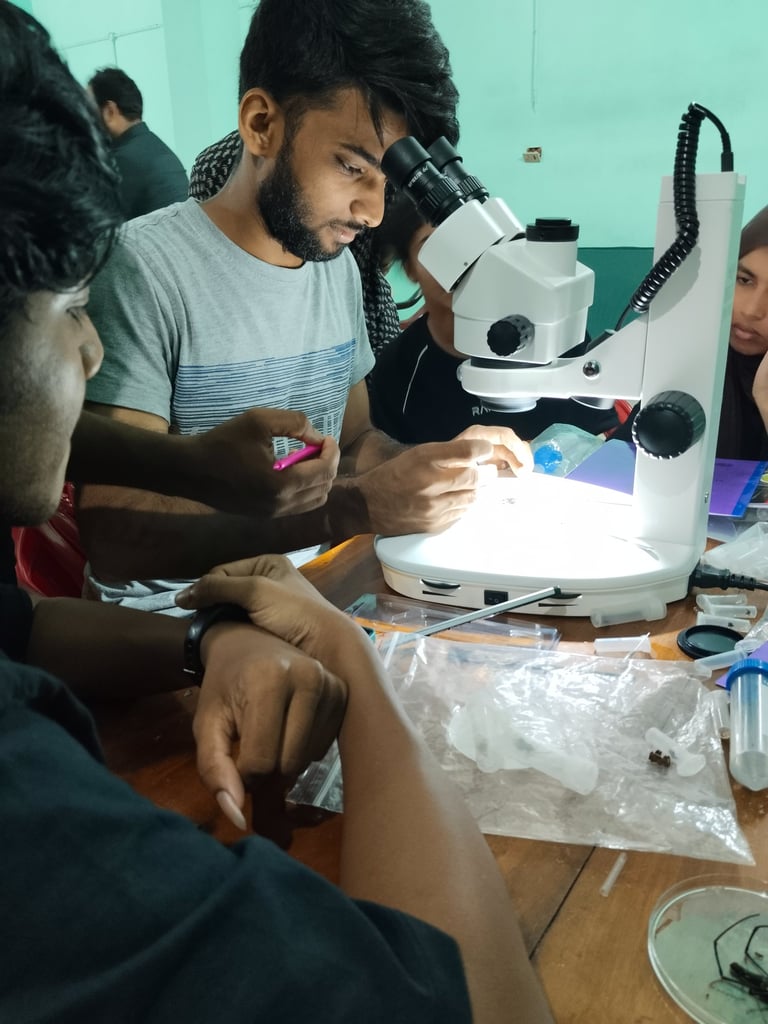
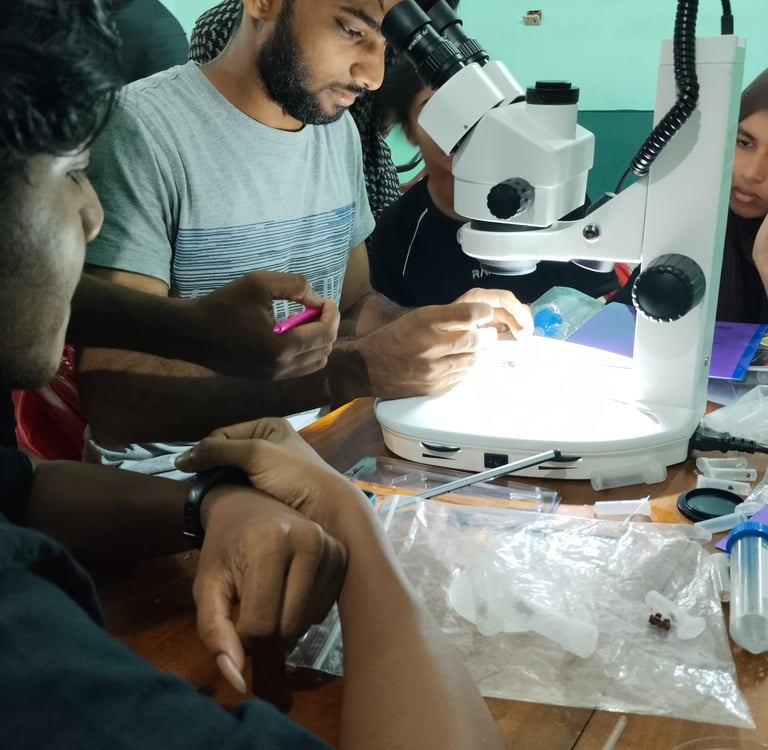
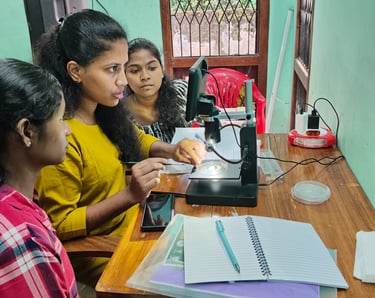
The workshop faculty brought decades of combined expertise. Dr. Mathew M. Jose led sessions on general arachnology, field methods, specimen collection, and documentation. Dr. Sunil Jose K focused on spider taxonomy and identification, while Dr. K.D. Prathapan covered scientific publishing, research ethics, and the role of biodiversity studies in conservation planning. Dr. Kalesh Sadasivan provided macrophotography training and guidance on safe handling of live spiders, and Dr. Ullasa K focused on research approaches and publication. Hands-on identification and lab sessions were led by Dr. Jimmy Paul and Dr. Jithin Johnson, with Dr. Anitha Abraham and Aswathy S presenting sessions on spider ecology, functional guilds, and Kerala’s spider diversity. Intensive laboratory sessions provided participants with training in specimen curation, preservation, genital dissection, and identification using standard taxonomic keys, with small mentored teams enhancing learning. Dedicated sessions on macrophotography and ethical handling of live specimens further strengthened documentation skills.
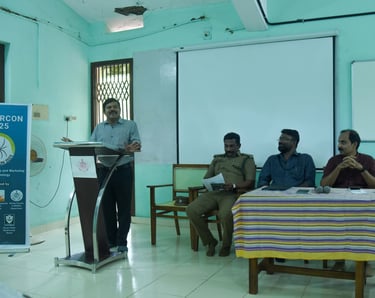
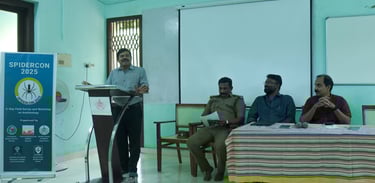
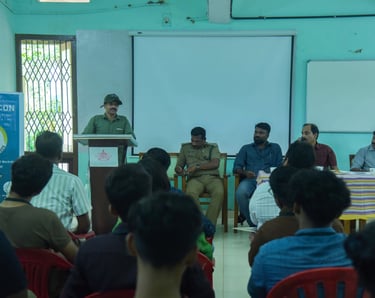
The programme was inaugurated by Mr. V. Balakrishnan, IPS (KSBB) and supported by Mr. Vinodkumar, Wildlife Warden, and Mr. Salin Raj, Assistant Wildlife Warden (AWW) of the Trivandrum Division, Kerala Forest and Wildlife Department, reflecting strong institutional backing. Participants were guided through the complete research cycle—from field exploration and specimen collection to preservation, dissection, identification, ecological interpretation, and integration of findings into conservation planning.
SPIDERCON 2025 functioned as more than a conventional workshop. It provided an intensive field-to-lab immersion, integrating taxonomy, ecology, technical skills, and conservation perspectives. Key outcomes included the generation of baseline arachnid data for Peppara Wildlife Sanctuary, induction of participants into a post-workshop mentorship group for ongoing support in identification, data analysis, and scientific publication, and strengthened skills in taxonomy, ecology, documentation, and conservation. The event reinforced the critical role of invertebrates in maintaining the ecological balance of the Western Ghats and highlighted the importance of integrating arachnid and other invertebrate data into regional biodiversity and conservation planning.